There
are many overlapping concepts in Freire’s Pedagogy
of the Oppressed and Education for
Critical Consciousness. One of the repeated points is the role of science
and technology in the relationship between the oppressors and the oppressed. In
Education for Critical Consciousness,
Freire explains that communication technology, in the hands of the oppressors,
is used as a means of social control, a means of effectively distributing mass
communiqués to the oppressed (p.128). This manipulation, in the form of
propaganda, discourages the oppressed from engaging in “education for
liberation” (p. 128). Similarly, in Pedagogy
of the Oppressed, Freire reinforces the point: “More and more, the oppressors are using science and technology as
unquestionably powerful instruments for their purpose: the maintenance of the
oppressive order through manipulation and repression. The oppressed, as
objects, as "things," have no purposes except those their oppressors
prescribe for them” (p.60). However, the future prospects of science and
technology are not so grim, as Freire says that they can be used to prompt
positive change if they are used by and for the oppressed.
I
thought these points were very interesting, primarily because of my own
personal interest in technology and how it has affected my education. In many
ways, I can see the signs of mass-communicated prescriptions on my life. On the
other hand, technology has played a pivotal role in two transformative learning
events in my life. The first event occurred in my junior year, when I took an
Early American History course with a less than enthusiastic lecturer. I could
not focus on the lectures because of their meandering into personal topics and
the occasional rant. Determined not to fail the class, I began to search
Google.com for supplemental lectures. To my surprise and delight, I found
lectures that had been recorded at other colleges and documentaries from the
History Channel available for free on Youtube. It was a great turning point
because it was one step closer in my journey to realizing that I could teach
myself once I understood how I learned.
The
second event was my discovery of social activist blogs. Although I primarily
stick to one social network called Tumblr, I’ve learned so much about a wide
range of topics through it. For example, I follow an art history blog called
MedievalPOC. The blog’s owner posts artwork of people of color throughout the
ages in European art, but especially in the medieval period. The blog’s mission
statement declares its “purpose in creating this blog is to address common
misconceptions that People of Color did not exist in Europe before the
Enlightenment, and to emphasize the cognitive dissonance in the way this is reflected
in media produced today” (MedievalPOC, Mission Statement). In exploring this
core thesis, the owner branches off into many subtopics: the importance of
diverse representation in media, academic gatekeeping through monetary means
and jargon, the accepted notion of
objectivity in telling history, the role oppression plays in the classroom, and
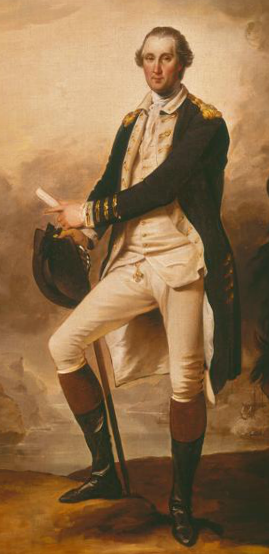
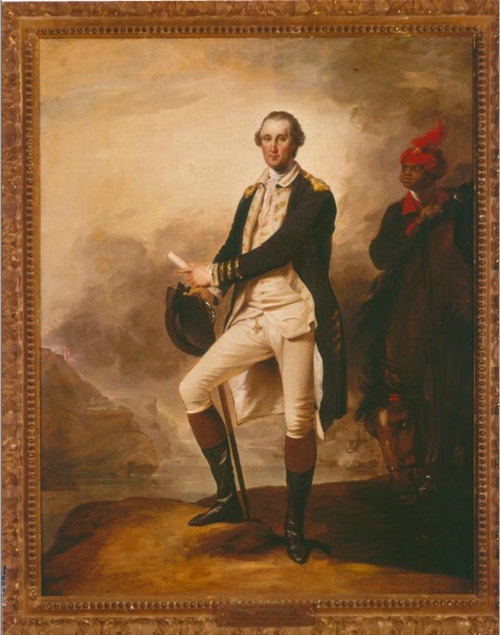
many more topics. A recent post that caught my attention is the wide-spread cropping of artworks that excludes people of color (Link to post here). The post prompted me to think about how many cropped pictures I was presented with in history and art history classes, and why it was cropped in such a manner. Blogs like MedievalPOC are wonderful springboards for
self-directed transformative learning.
Example from the MedievalPOC post about cropping.

No comments:
Post a Comment